Is your pet a healthy weight?
Pick who lives with you. The 9-point body condition score for dogs and cats; for the others, what an adult usually weighs, and the sign to watch for.
Who lives with you?
Small mammals
Spiders
Tap your pet: what it needs shows up below.

Dog
For your dog there’s the vets’ 9-point body condition check.

Cat
For your cat there’s the vets’ 9-point body condition check.

Rabbit
An adult usually weighs 900 g (2 lb) to 5 kg (11 lb).
Weight loss is the sign to watch for: if it loses weight for no reason, talk to your vet.
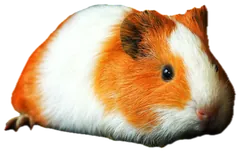
Guinea pig
An adult usually weighs 700 g (1.5 lb) to 1.6 kg (3.5 lb).
Weight loss is the sign to watch for: if it loses weight for no reason, talk to your vet.

Hamster
An adult usually weighs 110 g (3.9 oz) to 140 g (4.9 oz).
Weight loss is the sign to watch for: if it loses weight for no reason, talk to your vet.
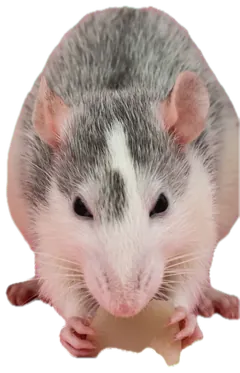
Pet rat
An adult usually weighs 200 g (7.1 oz) to 650 g (1.4 lb).
Weigh it every week on a kitchen scale that shows grams, and log it in its weight diary: weight loss is the sign to watch for.
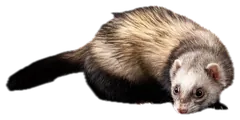
Ferret
An adult usually weighs 500 g (1.1 lb) to 2 kg (4.4 lb).
Weight loss is the sign to watch for: if it loses weight for no reason, talk to your vet.
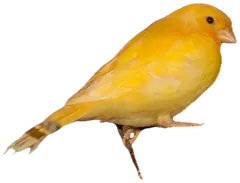
Canary
An adult weighs under 50 g (1.8 oz).
Weigh it every week on a kitchen scale that shows grams, and log it in its weight diary: weight loss is the sign to watch for.
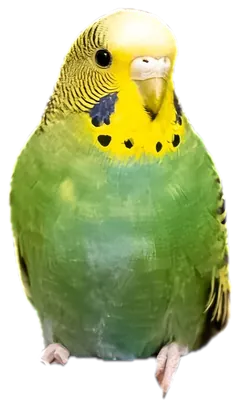
Budgies
An adult weighs under 50 g (1.8 oz).
Weigh it every week on a kitchen scale that shows grams, and log it in its weight diary: weight loss is the sign to watch for.
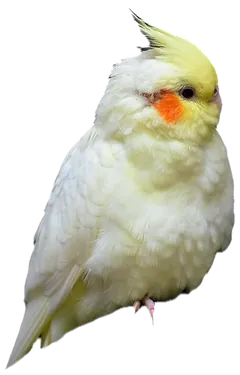
Cockatiel
An adult weighs 50 to 100 g, 1.8–3.5 oz (the RSPCA weight class).
Weigh it every week on a kitchen scale that shows grams, and log it in its weight diary: weight loss is the sign to watch for.
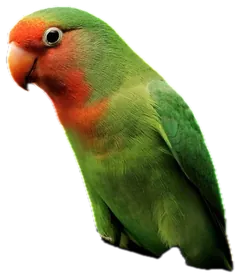
Lovebirds
An adult weighs 50 to 100 g, 1.8–3.5 oz (the RSPCA weight class).
Weigh it every week on a kitchen scale that shows grams, and log it in its weight diary: weight loss is the sign to watch for.
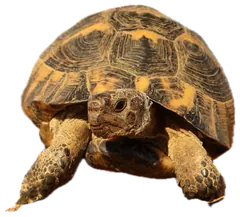
Tortoise
We have no adult weight for this pet from a vet source: what matters is that its weight stays steady.
Weigh it every 2 weeks on a kitchen scale that shows grams, and log it in its weight diary: weight loss is the sign to watch for.
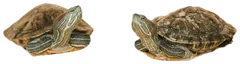
Red-eared slider
We have no adult weight for this pet from a vet source: what matters is that its weight stays steady.
Weight loss is the sign to watch for: if it loses weight for no reason, talk to your vet.

Leopard gecko
An adult usually weighs 45 g (1.6 oz) to 60 g (2.1 oz).
Weight loss is the sign to watch for: if it loses weight for no reason, talk to your vet.
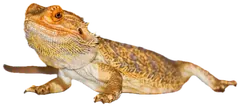
Bearded dragon
An adult usually weighs 283 g (10 oz) to 510 g (1.1 lb).
Weight loss is the sign to watch for: if it loses weight for no reason, talk to your vet.
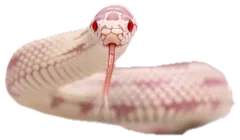
Corn snake
We have no adult weight for this pet from a vet source: what matters is that its weight stays steady.
Weight loss is the sign to watch for: if it loses weight for no reason, talk to your vet.
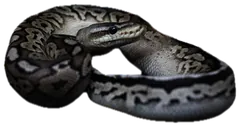
Ball python
We have no adult weight for this pet from a vet source: what matters is that its weight stays steady.
Weight loss is the sign to watch for: if it loses weight for no reason, talk to your vet.
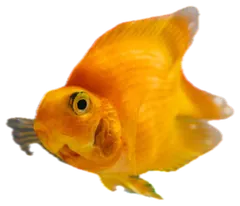
Goldfish
You don’t weigh it at home: watch how it swims, eats and breathes.
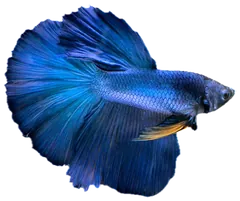
Betta fish
You don’t weigh it at home: watch how it swims, eats and breathes.
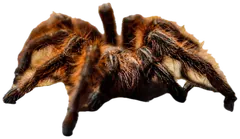
Tarantula
We have no adult weight for this pet from a vet source: what matters is that its weight stays steady.
Weight loss is the sign to watch for: if it loses weight for no reason, talk to your vet.
Always ask your vet: this site helps you understand, it doesn’t replace a checkup.
Sources
All 66 sources, pet by pet
- Merck Veterinary Manual, Description and Physical Characteristics of Rabbits (checked on October 13, 2026)
- RSPCA, Rabbit diet (checked on October 13, 2026)
- RSPCA, Rabbit health (checked on October 13, 2026)
- Rabbit Welfare Association & Fund, Flystrike in rabbits (checked on October 13, 2026)
- Merck Veterinary Manual, Routine Health Care of Rabbits (checked on October 13, 2026)
- Rabbit Welfare Association & Fund, Vaccines (checked on October 13, 2026)
- Merck Veterinary Manual, Providing a Home for a Rabbit (checked on October 13, 2026)
- PDSA, How often should you groom your pet? (checked on October 13, 2026)
- Merck Veterinary Manual, Overview of Rodents (table: Biological Data of Pet Rodents) (checked on October 13, 2026)
- Merck Veterinary Manual, Description and Physical Characteristics of Guinea Pigs (checked on October 13, 2026)
- RSPCA, Guinea pig diet (checked on October 13, 2026)
- Merck Veterinary Manual, Routine Care of Guinea Pigs (checked on October 13, 2026)
- RSPCA, Guinea pig health (checked on October 13, 2026)
- PDSA, Guinea pig health (checked on October 13, 2026)
- RSPCA, Guinea pig environment (checked on October 13, 2026)
- Merck Veterinary Manual, Description and Physical Characteristics of Hamsters (checked on October 13, 2026)
- PDSA, Hamsters as pets (checked on October 13, 2026)
- RSPCA, Hamster diet (checked on October 13, 2026)
- PDSA, Giving your pet a health check at home (checked on October 13, 2026)
- Merck Veterinary Manual, Routine Health Care of Hamsters (checked on October 13, 2026)
- Merck Veterinary Manual, Description and Physical Characteristics of Rats (checked on October 13, 2026)
- National Fancy Rat Society, Keeping rats as pets (checked on October 13, 2026)
- RSPCA, Rat diet (checked on October 13, 2026)
- PDSA, Rats as pets (checked on October 13, 2026)
- RSPCA, Rat health (checked on October 13, 2026)
- Merck Veterinary Manual, Routine Health Care of Rats (checked on October 13, 2026)
- RSPCA, Rat environment (checked on October 13, 2026)
- Merck Veterinary Manual, Description and Physical Characteristics of Ferrets (checked on October 13, 2026)
- American Ferret Association, Frequently asked questions (checked on October 13, 2026)
- PDSA, Ferrets as pets (checked on October 13, 2026)
- Merck Veterinary Manual, Management of Ferrets (checked on October 13, 2026)
- Merck Veterinary Manual, Routine Health Care for Ferrets (checked on October 13, 2026)
- Italian Ministry of Health (Ministero della Salute), pet passport for dogs, cats and ferrets traveling in the EU (checked on October 13, 2026)
- Merck Veterinary Manual, Infectious Diseases of Ferrets (checked on October 13, 2026)
- RSPCA, Ferret environment (checked on October 13, 2026)
- RSPCA, Pet birds: environment (checked on October 14, 2026)
- Deutscher Tierschutzbund (German Animal Welfare Federation), Canaries (checked on October 13, 2026)
- Association of Avian Veterinarians, Basic Care for Companion Birds (PDF) (checked on October 13, 2026)
- Association of Avian Veterinarians, Signs of Illness in Companion Birds (PDF) (checked on October 13, 2026)
- Royal Veterinary College, Canary care and advice (2022, PDF) (checked on October 14, 2026)
- Association of Avian Veterinarians, Ultraviolet Light as a Critical Component of Companion Bird Husbandry (PDF, 2024) (checked on October 13, 2026)
- Merck Veterinary Manual, Feeding a Pet Bird (checked on October 13, 2026)
- Royal Veterinary College, Budgerigar care (2024, PDF) (checked on October 14, 2026)
- Merck Veterinary Manual, Importance of Veterinary Care in Pet Birds (checked on October 13, 2026)
- Royal Veterinary College, Cockatiel care (2022, PDF) (checked on October 14, 2026)
- RSPCA, Handle with care: Spur-thighed, Hermann's, marginated and Horsfield's tortoises (PDF) (checked on October 13, 2026)
- British Chelonia Group, Care sheet for Mediterranean tortoises (checked on October 13, 2026)
- Association of Reptile and Amphibian Veterinarians (ARAV), Bearded Dragons, Companion Reptile Care Series (PDF, copy on a veterinary clinic website) (checked on October 13, 2026)
- Merck Veterinary Manual, Routine Health Care of Reptiles (checked on October 14, 2026)
- Association of Reptile and Amphibian Veterinarians (ARAV), Red-Eared Sliders, Companion Reptile Care Series (PDF, copy on a veterinary clinic website) (checked on October 13, 2026)
- RSPCA, Terrapin care (checked on October 13, 2026)
- Association of Reptile and Amphibian Veterinarians (ARAV), Leopard Geckos, Companion Reptile Care Series (PDF, copy on a veterinary clinic website) (checked on October 13, 2026)
- RSPCA, Leopard gecko care (checked on October 13, 2026)
- RSPCA, Bearded dragon care (checked on October 13, 2026)
- RSPCA, Corn snake care (checked on October 13, 2026)
- Association of Reptile and Amphibian Veterinarians (ARAV), Corn Snakes, Companion Reptile Care Series (PDF, copy on a veterinary clinic website) (checked on October 13, 2026)
- RSPCA, Royal python care (checked on October 13, 2026)
- Association of Reptile and Amphibian Veterinarians (ARAV), Ball Pythons, Companion Reptile Care Series (PDF, copy on a veterinary clinic website) (checked on October 13, 2026)
- RSPCA Australia, How should I care for my goldfish? (checked on October 13, 2026)
- OATA, How to look after goldfish in an aquarium (checked on October 14, 2026)
- Merck Veterinary Manual, Routine Health Care of Fish (checked on October 13, 2026)
- RSPCA Australia, How should I care for my Siamese fighting fish? (checked on October 13, 2026)
- OATA, How to look after Siamese fighting fish (bettas) (checked on October 14, 2026)
- University of Kentucky Entomology, Exotic bugs: care and feeding (checked on October 13, 2026)
- University of Illinois College of Veterinary Medicine, Caring for pet tarantulas (checked on October 13, 2026)
- Royal Veterinary College, Tarantula care (2024, PDF) (checked on October 14, 2026)