
Red-eared slider: lifespan, size, diet and care
In the EU it is an invasive species: selling and breeding are banned, and it must never be released. If you can’t keep it anymore, ask your local authorities.
It has been on the EU list of invasive species since 2016: it can no longer be kept, bred or sold. People who already had one may keep it for the rest of its life, as long as it can’t escape or breed.
How big it is
An adult has a shell up to 29 cm (11 in) long.
Zoomed ×8: here you see the man up to 23.8 cm (9 in) off the ground
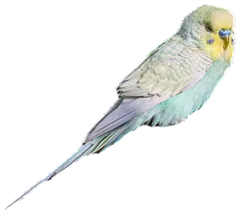 1Budgieslong 20 cm (8 in)
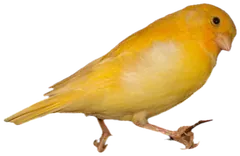 2Canarylong 20 cm (8 in)
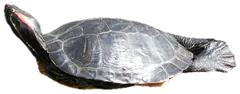 3Red-eared slidershell 29 cm (11 in)
 4Hamsterlong (head and body) 18 cm (7 in)
 5Tortoiseshell 23 cm (9 in)
Before it arrives
- A big tank: at least 80 liters of water per 5 cm of shell (for 25 cm, 400 liters, about 105 gallons), with water at least twice as deep as the shell is long
- A dry island with a ramp, under a guarded heat lamp (30–35 °C / 86–95 °F), plus another, cooler dry spot
- A 7–12% UVB lamp over two thirds of the tank, and a timer
- A guarded aquarium heater with a thermostat (about 25 °C / 77 °F for babies, 22 °C / 72 °F for adults) and a water thermometer
- A powerful filter, tap water conditioner and test kits for ammonia and nitrite
- A separate tub to feed it in
- Start the tank two weeks before: the water warms up and the filter starts to work
Its home: temperature and light
- Basking spot
- 30–35 °C (86–95 °F)
- Cool side
- 22–27 °C (72–81 °F)
- Water
- 22–30 °C (72–86 °F)
- Light
- 10–14 hours a day
- UVB lamp
- needed
What it eats and how often
every day when young, every 2–3 days as an adult
- Juveniles: every day
- Adults: every 2–3 days
Only what it eats in a few minutes (the RSPCA says 5, ARAV up to 15), then net out the leftovers: it always begs and gets fat. More protein when young; as an adult, half or more chopped greens (kale, dandelion, watercress, zucchini) and the rest turtle pellets plus earthworms or small fish. Feed it in a separate tub. Cuttlebone for calcium.
Vaccines and checkups
None: reptiles don't need vaccines.
A checkup at the vet every year. With a reptile vet.
The care calendar
What to do, from the most frequent to the least.
- every dayCheck the temperaturesWith two digital thermometers, one at the warm spot and one at the cool end: thermostats can be off.
- every 2 daysGreens and pelletsYoung turtles every day. Feed in a separate tub to keep the tank clean.
- every weekPartial water changeReplace about 20% with dechlorinated water; rinse the filter sponge in the water you took out, never under the tap. If tests show high ammonia or nitrite, change half the water every day until they drop.
- every 6 monthsUVB lampIt still gives light after the UVB has run out: replace it when the brand says (fluorescent tubes usually every 6 months).
- every yearYearly check-upWith a reptile vet.
Call the vet right away if…
If you see one of these signs, call your vet now: don’t wait for it to pass.
- Swollen, puffy or closed eyes
- Floats tilted or can't dive
- Bubbles or mucus at the nose or mouth, or breathing with its mouth open
- Soft or misshapen shell, or pink or red patches on the skin or shell
- Stops eating and basking and seems dull, or tissue sticks out of the vent
Frequently asked questions
How long does a red-eared slider live?
Usually 20–30 years.
How big is a red-eared slider?
An adult has a shell up to 29 cm (11 in) long.
How much does a red-eared slider weigh?
We have no adult weight for this pet from a vet source: what matters is that its weight stays steady.
What does a red-eared slider eat, and how often?
Every day when young, every 2–3 days as an adult. Only what it eats in a few minutes (the RSPCA says 5, ARAV up to 15), then net out the leftovers: it always begs and gets fat. More protein when young; as an adult, half or more chopped greens (kale, dandelion, watercress, zucchini) and the rest turtle pellets plus earthworms or small fish. Feed it in a separate tub. Cuttlebone for calcium. Juveniles: every day; adults: every 2–3 days.
Does a red-eared slider need vaccines?
None: reptiles don't need vaccines.
When should a red-eared slider see a vet right away?
Right away if you see one of these signs: swollen, puffy or closed eyes; floats tilted or can't dive; bubbles or mucus at the nose or mouth, or breathing with its mouth open. The others are above, in “Call the vet right away if…”.
How old is a red-eared slider in human years?
There’s no serious human-years chart for a red-eared slider: the ones online don’t cite sources. What counts is where it is in its life: its senior years start at about 15 to 22.5 years old.
Tools for your red-eared slider
Always ask your vet: this site helps you understand, it doesn’t replace a checkup.
Sources
- RSPCA, Terrapin care (checked on September 30, 2026)
- Merck Veterinary Manual, Table: Important Husbandry Requirements for Selected Reptiles (checked on September 30, 2026)
- Regulation (EU) No 1143/2014 on invasive alien species (arts. 7 and 31) and Implementing Regulation (EU) 2016/1141 (Union list) (checked on October 13, 2026)
- Association of Reptile and Amphibian Veterinarians (ARAV), Red-Eared Sliders, Companion Reptile Care Series (PDF, copy on a veterinary clinic website) (checked on October 13, 2026)
- Merck Veterinary Manual, Routine Health Care of Reptiles (checked on October 14, 2026)
- Association of Reptile and Amphibian Veterinarians (ARAV), Bearded Dragons, Companion Reptile Care Series (PDF, copy on a veterinary clinic website) (checked on October 13, 2026)
- Animal Diversity Web, Trachemys scripta (checked on October 13, 2026)